From Fields to Wetlands 4-26-2026
From Fields to Wetlands: How One Nashua-Area Farmer is Helping Improve Water Quality
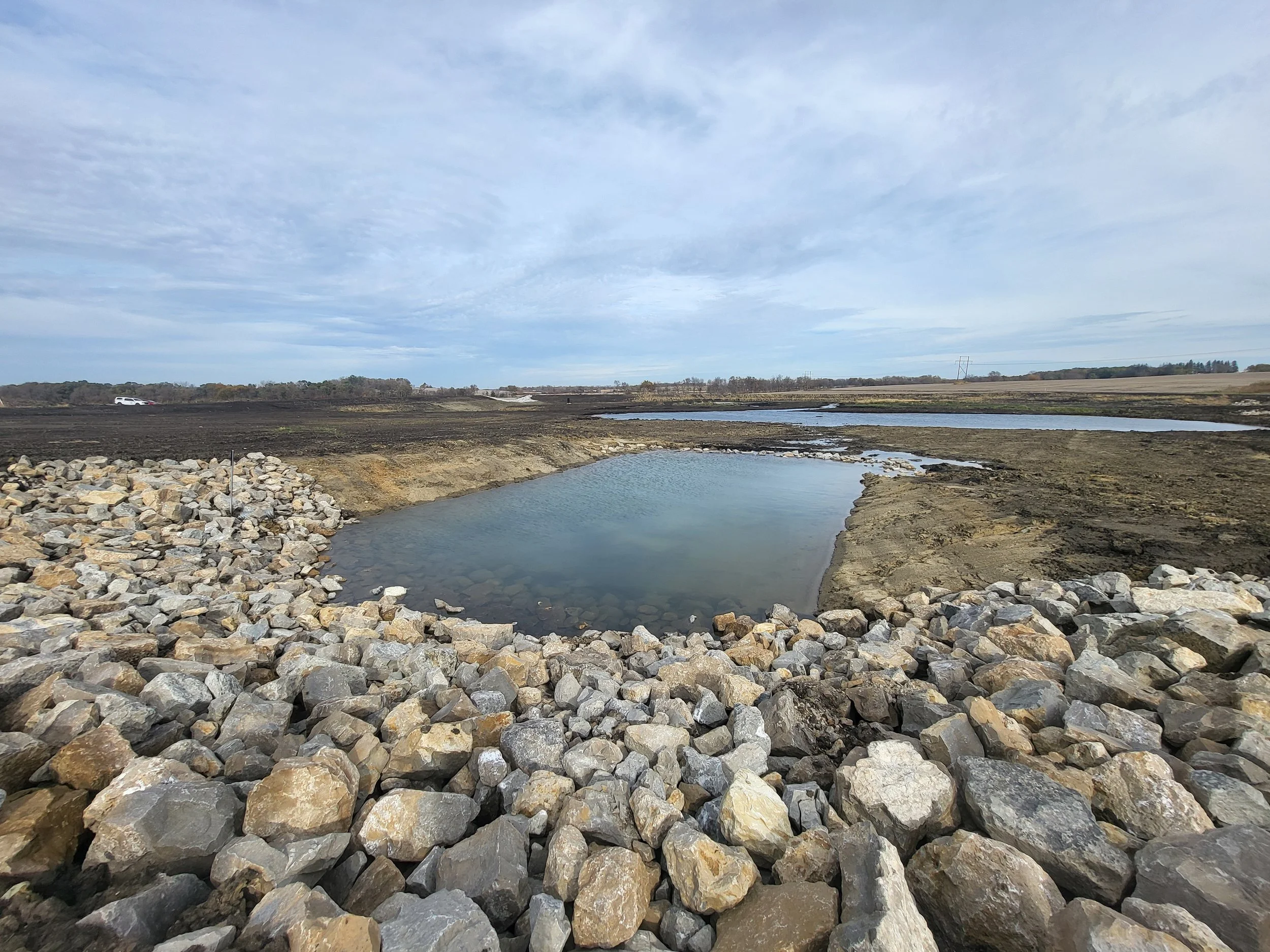
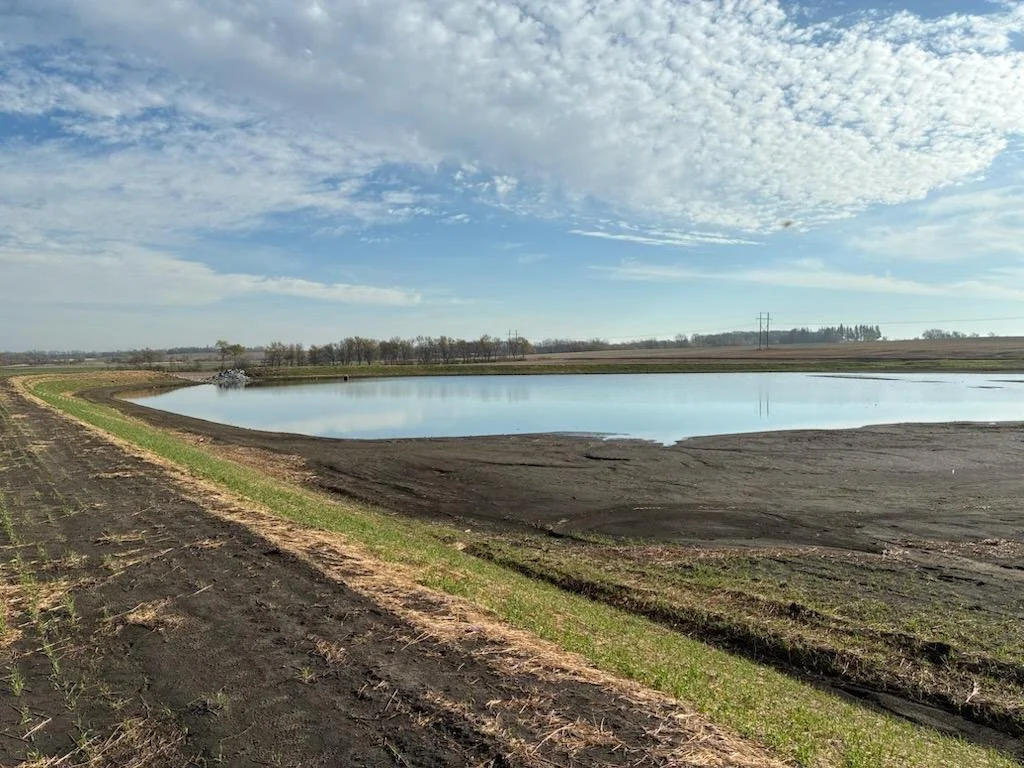
On a quiet stretch of farmland just east of Nashua, a new wetland is now part of the landscape. What used to be a spot where water quickly ran off the field is now a 4.4-acre wetland designed to hold water in a shallow pool and naturally filter nitrates before the water continues on through the Upper Cedar River Watershed.
The project was completed in the fall of 2025 and marked the first IDALS-supported water quality wetland in Chickasaw County. Dan Dietz partnered with the Chickasaw Soil and Water Conservation District and the Iowa Department of Agriculture and Land Stewardship (IDALS) to turn a low-lying area of his farm into a wetland.
The wetland was several years in the making. In the fall of 2022, Dietz attended a wetland field day in Bremer County at Mark Mueller’s farm.
“I always wanted wildlife habitat on our land, and I saw how well the Muellers’ wetland removed nitrates from the field runoff,” Dietz said. “I figured there had to be a place on my farm where something like that would work.”
After that, he initiated conversations with the Iowa Drainage District Association, who reached out to IDALS to explore the Water Quality Initiative funding options that might fit his farm. They identified a low area where drainage from about 200 acres naturally collected and IDALS contracted with an engineering firm to lead design efforts.
The wetland covers 4.4 acres surrounded by a buffer consisting of native grasses and forbs, with a 12.65-acre conservation easement, and treats drainage water from about 200 acres of surrounding farmland. The average depth is around 1.8 feet, which is key to the wetland’s nutrient filtering function. The shallow depth allows the water to spread out and come into contact with natural microbes in the soil, which break down nitrates and release them as harmless nitrogen gas back into the air.
Construction started in the summer of 2025 and wrapped up last fall.
Even though the wetland is new, it didn’t take long for wildlife to find it, said Dietz.
“It had only been filled about a week, and we were already seeing deer tracks all around it,” Dietz said. “Water like that really draws wildlife in.”
The wetland is just one part of Dietz’s overall approach to conservation. He raises corn and soybeans, as well as 950 head of cattle and has incorporated a number of conservation practices.
Each year, he plants about 500 acres of cover crops—roughly half of his farmland—mostly cereal rye. About five years ago, he made the switch to fully no-till farming after using strip-till. Today, he no longer owns any tillage equipment.
“For me, it’s about keeping something growing out there as much of the year as possible,” Dietz said. “When you’ve got living organisms in the ground twelve months of the year, you’ve got a live, active soil profile.”
Manure from his cattle operation also plays a role, helping return nutrients back to the soil and cutting down on the need for commercial fertilizer. Across the farm, other practices like grassed waterways, terraces, and converting highly erodible cropland to grass helps keep soil in place and manages how water moves across the land.
“You’ve got to protect that topsoil,” Dietz said. “That’s the cream of the crop.”
For Dietz, conservation practices have to make sense both environmentally and economically. Many of the practices he uses check both boxes. Cover crops help protect the soil, improve water infiltration, and filter nitrates. No-till saves time and fuel while building soil structure. Wetlands filter nutrients out of the water while making use of areas that aren’t ideal for farming.
Conservation projects like this show how Iowa farmers are working to protect water quality while also improving their land and productivity.
Dietz says he’s already heard from other farmers who are interested in putting a wetland on their own farms – interest is growing.
For Dietz, stewardship comes down to thinking about the future.
“We try to be good stewards,” Dietz said. “And leave the ground better for the grandkids.”